Bioavailability: Direct injection, highly efficient absorption
The main problem with oral administration of NAD+ is its extremely low bioavailability.
Due to the decomposition effects of gastric acid and digestive enzymes, most NAD+ is degraded into small molecules (such as nicotinamide) before absorption.
The amount of intact NAD+ that actually enters the bloodstream is very small, and its utilization rate may be less than 5%, resulting in a low supplementation efficiency.
In contrast, injecting NAD+ (intravenously or subcutaneously) can 100% directly enter the bloodstream, completely avoiding the damage caused by the digestive system, ensuring that the active molecules quickly reach all the tissues throughout the body.
This method can rapidly increase the level of NAD+, and is suitable for situations where efficient supplementation is required, such as anti-aging intervention or disease-assisted treatment.
Quick onset and precise dosage control
Oral administration of NAD+ takes effect relatively slowly. It needs to be digested and absorbed before entering the bloodstream.
It usually takes several hours or even longer for the nicotinamide adenine dinucleotide level to increase, and the effect varies from person to person.
There are also significant limitations in terms of dosage control.
Due to the fact that the absorption rate affected by factors such as the state of the digestive system and diet, even if the same dosage taken, the actual amount of nicotinamide adenine dinucleotide that enters the body is difficult to predict, resulting in unstable effects.
Injecting NAD+ (intravenously or subcutaneously) enables precise drug administration and rapid effect – the dosage for each injection can precisely controlled based on individual circumstances.
It takes only a few minutes for subcutaneous injection to take effect, and the results can seen within 30-60 minutes.
This rapid response makes the injection method more advantageous in terms of alleviating acute symptoms, restoring fatigue, and enhancing functionality.
Injection bypasses metabolic losses in digestive system
Chemical stability of NAD+:
The nicotinamide adenine dinucleotide molecule readily hydrolyzes in the gastric acid environment to form nicotinamide and ADP-ribose.
Meanwhile, nicotinamide needs to reconverted back to NAD+ through the salvage synthesis pathway (dependent on the rate-limiting enzyme NAMPT, with efficiency decreasing with age).
The "direct" effect of the injection:
The injected NAD+ can directly utilized by the cells (for example, through the Slc12a8 transporter to enter the cells), or it can rapidly broken down into precursors and then re-synthesized into NAD+, which is more efficient.
Extensive injections, addressing complex requirements
Oral NAD+ mainly used for daily health care and prevention.
For individuals with good health who wish to maintain their bodily functions through nicotinamide adenine dinucleotide supplementation, it has a certain supportive effect.
However, when dealing with some more complex health issues, such as severe metabolic disorders, chronic disease treatment, and post-operative recovery, oral administration of nicotinamide adenine dinucleotide often fails to meet the body's urgent demand for NAD+.
In contrast, the injection of NAD+ has greater advantages in clinical settings and for special health needs.
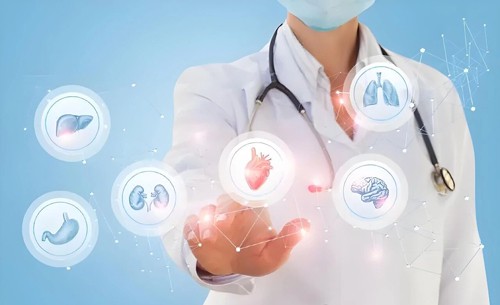
For complex diseases such as neurodegenerative disorders (such as Alzheimer's disease and Parkinson's disease), cardiovascular dysfunction, and metabolic syndrome, injections can rapidly increase the concentration of NAD+, directly supporting the cellular energy metabolism and repair mechanisms, thereby more effectively improving symptoms.
In scenarios such as post-operative recovery and the treatment of chronic fatigue syndrome, injecting NAD+ can accelerate tissue repair and the restoration of physical strength.
People who engage in intense physical activities or those with high levels of occupational stress can also achieve rapid energy recovery and enhanced metabolism by receiving intermittent injections of NAD+.
Safety and professionalism: Standardized injections, strong guarantee
Oral NAD+ is convenient, but its quality varies greatly and there is no regulation. Long-term excessive consumption may pose risks.
The injection of NAD+ carried out under the full supervision of medical professionals.
From health assessment to the formulation of personalized plans, to sterile operations and real-time monitoring, it can ensure the highest level of safety and effectiveness.
This standardized medical-grade supplement method significantly reduces the risk of adverse reactions and provides a more reliable guarantee for users.
In conclusion, compared to oral administration, intravenous administration of NAD+ demonstrates significant advantages in terms of bioavailability, onset speed, dosage accuracy, applicable scenarios, and safety.
Whether from the perspective of treating diseases or the goal of achieving efficient health management, injecting nicotinamide adenine dinucleotide is a more ideal way to supplement NAD+.
The main component of NAD+ anti-aging and longevity supplement is "nicotinamide mononucleotide", which is a naturally occurring B-type vitamin substance in the human body.
By intravenous injection, nicotinamide mononucleotide is absorbed into the body, repairing damaged DNA, helping the body enhance metabolism, promoting cell recovery, strengthening the immune system, and reducing the risk for individuals with low immunity.