
Previous numerous studies have shown that NMN demonstrates significant potential in reversing various arterial problems.
The specific mechanism and scientific basis of NMN's action.
main mechanism by which NMN reverses arterial problems
1. Reduce inflammation and oxidative stress
Inhibiting inflammatory response:
NMN regulates relevant signaling pathways to suppress the release of inflammatory factors, thereby alleviating the chronic inflammatory state of the cardiovascular system.
Antioxidant effect:
NMN can increase the activity of antioxidant enzymes (such as superoxide dismutase and catalase) within cells, enhance the cell's antioxidant defense capability, and reduce the damage caused by oxidative stress to the cardiovascular and cerebrovascular tissues.
2. Improve vascular function
Promote vascular endothelial function:
NMN can increase the level of NAD+ (nicotinamide adenine dinucleotide) within cells, activate endothelial nitric oxide synthase (eNOS), promote the synthesis of nitric oxide, thereby dilating blood vessels, reducing vascular resistance, and promoting blood circulation.
Enhance mitochondrial function:
As a precursor of NAD+, NMN can increase the content of NAD+ in mitochondria, enhance the energy production efficiency of mitochondria, help maintain the vitality of cardiovascular cells, and improve the contractility of the myocardium and the pumping function of the heart.
3. Regulate lipid metabolism
Reduce blood lipid levels:
NMN can reduce the level of serum malondialdehyde, enhance the enzymatic activity of superoxide dismutase and glutathione peroxidase.
These changes help regulate lipid metabolism, reduce the deposition of lipids in the arterial wall, and thereby inhibit the occurrence and development of atherosclerosis.
specific manifestations of NMN in reversing arterial problems
1. Inhibit atherosclerosis
Reduce plaque formation:
In the mouse experiment, Nicotinamide Mononucleotide significantly reduced the formation of atherosclerotic plaques.
Compared with the saline group, the formation of plaques decreased by 38%, and the fat deposition within the plaques decreased by 43%.
Prevent plaque rupture:
NMN can significantly reduce the size of the necrotic core in atherosclerotic mice, lower the risk of plaque rupture, and thereby prevent heart attacks, strokes or sudden deaths.
2. Restore vascular elasticity
Promote collagen synthesis:
NMN can promote the synthesis of collagen within blood vessels, increase the elasticity of blood vessels, and help prevent arteriosclerosis.
Reduce arterial stiffness:
As one ages, the blood vessels gradually lose their elasticity, resulting in poor blood circulation.
NMN effectively increases the elasticity of blood vessels by promoting the synthesis of collagen inside the vessels, and restores the stiffness of the vessels.
3. Improve heart function
Enhancing myocardial energy supply:
NMN helps prevent the occurrence of heart diseases such as myocardial ischemia by optimizing energy metabolism and increasing the energy supply to cardiac muscle cells.
Preventing restricted blood flow and oxygen supply:
In the experiments on mice, NMN was found to effectively improve cardiac function and prevent the situation of restricted blood flow and oxygen supply caused by atherosclerosis.
Scientific basis
The research team from China Agricultural University investigated the effect of NMN on animal models with atherosclerosis characteristics.
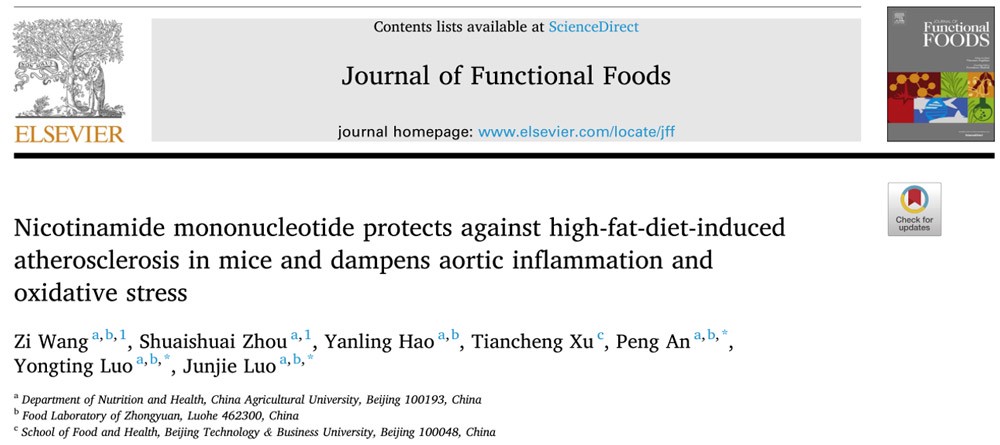
By using genetic methods to increase the cholesterol level in animal serum and combining it with a high-fat diet,
the process of human atherosclerotic lesion was successfully simulated.
The experimental results showed that the formation of arterial plaques in the mice of the NMN treatment group was significantly reduced, and the fat deposition within the plaques also decreased.
NMN has great potential for preventing cardiovascular diseases, especially in higher weight individuals.
It effectively inhibits the occurrence and development of atherosclerosis through various mechanisms such as reducing inflammation and oxidative stress, improving vascular function, and regulating lipid metabolism.