

In the exploration of the mysteries of health and longevity, scientists have gradually lifted the veil of mystery from a key molecule - NAD+ (nicotinamide adenine dinucleotide).
This seemingly ordinary coenzyme actually plays a crucial role in our bodies, participating in a variety of important physiological processes and becoming a key factor in maintaining health and influencing the development of diseases.
What is NAD+ homeostasis?
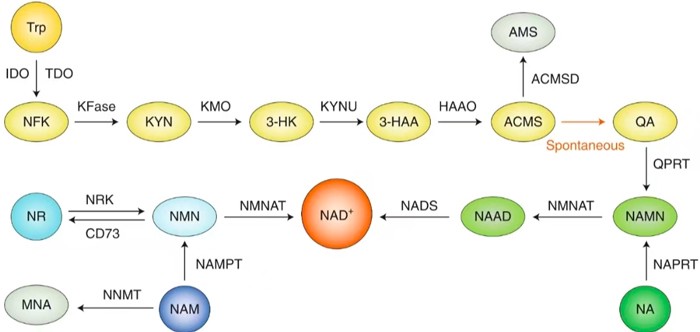
The level of NAD+ in the body is not constant but remains stable through a dynamic balance of synthesis, consumption and regeneration. This process is called "NAD+ homeostasis" by scientists.
Once this balance is disrupted, it may trigger a series of health problems.
There are differences in the synthesis and utilization of NAD+ among different organs. The liver and kidneys, as the regulatory centers for NAD+ homeostasis throughout the body, play a crucial role.
Almost all the enzymes involved in NAD+ synthesis are highly expressed in these two organs, especially those related to the de novo synthesis pathway.
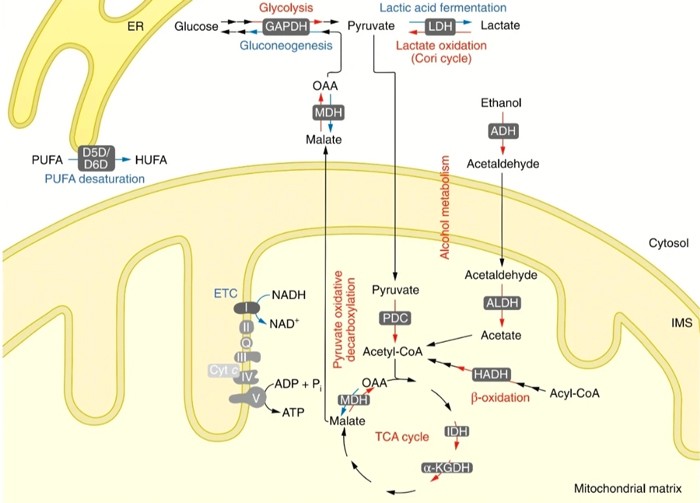
Factors influencing NAD+ homeostasis
1. Aging
As we age, our body's ability to synthesize NAD+ gradually weakens, while its consumption keeps increasing.
This is because the activity of key synthetic enzymes decreases while the activity of consuming enzymes increases, leading to a decline in NAD+ levels, weakened metabolic capacity, and a corresponding increase in disease risk.
2. Unhealthy lifestyle
Long-term high-fat and high-sugar diets, staying up late, irregular schedules, and lack of exercise and other bad habits can all accelerate the imbalance of NAD+ homeostasis.
These habits can exacerbate mitochondrial damage, inhibit the expression of NAD+ synthase, and reduce the cell's utilization efficiency of NAD+.
On the contrary, moderate calorie restriction and regular exercise are conducive to maintaining NAD+ homeostasis.
3. Disease state
In diseases such as neurodegenerative disorders, fatty liver, diabetes, and chronic kidney disease, NAD+ homeostasis is often disrupted, creating a vicious cycle.
Diseases lead to a reduction in NAD+ synthesis or an increase in NAD+ consumption, and a decline in NAD+ levels will further aggravate the condition.
key role of NAD+ in diseases
1. nervous system
Axonal degeneration is an early marker of various neurological diseases. Maintaining NAD+ homeostasis can protect axons from degenerative damage and alleviate the symptoms of related diseases.
NAD+ can also enhance the proliferation and regeneration capacity of neural stem cells, which is crucial for neural health.
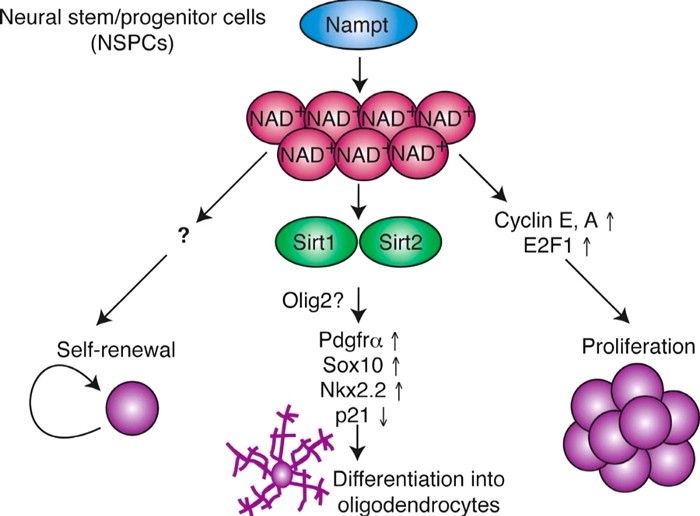
2. Liver
Liver diseases such as fatty liver, liver cirrhosis and even liver cancer are all closely related to NAD+ levels.
A high-fat diet leads to the depletion of NAD+ in the liver, exacerbating fat accumulation.
Supplementing NAD+ precursors can activate deacetylase, promote fatty acid oxidation, reduce liver triglyceride content, and lower the risk of liver cancer.
3. Kidney
Kidney diseases are also closely related to NAD+ homeostasis.
Supplementing NAD+ precursors or inhibiting consuming enzymes can restore mitochondrial function, reduce apoptosis, lower the severity of acute kidney injury, and delay the development of chronic kidney disease.
4. Intestinal tract
The regulation of NAD+ on intestinal health is reflected in activating intestinal stem cells, promoting stem cell proliferation, repairing intestinal barrier function and reducing inflammation.
There is a bidirectional regulatory effect between NAD+ and the intestinal flora, jointly maintaining intestinal health.
5. Hematopoietic system
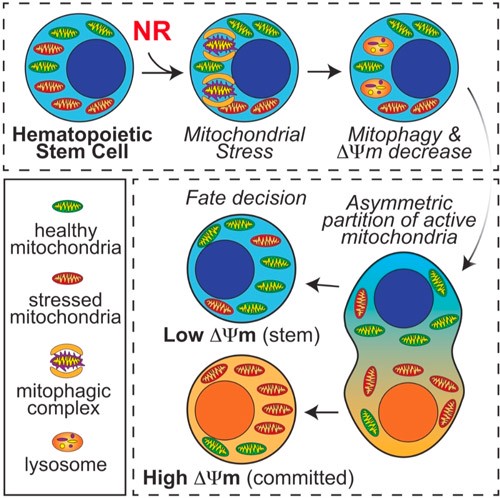
The function of hematopoietic stem cells depends on mitochondrial homeostasis regulated by NAD+.
Supplementing NAD+ precursors can promote the clearance of damaged mitochondria, restore the proliferation ability of stem cells, and increase the survival rate after bone marrow transplantation.
In emergency situations such as hemorrhagic shock, supplementing NAD+ precursors can also stimulate the hematopoietic process and alleviate organ damage.
6. Muscle
The energy supply and regeneration repair of muscles both rely on NAD+.
A decline in NAD+ levels can lead to sarcopenia and muscular dystrophy in the older people.
Supplementing NAD+ precursors can restore the expression of muscle structural proteins, enhance mitochondrial function, and improve athletic performance.
7. Cardiovascular system
The heart and blood vessels are highly dependent on NAD+ homeostasis.
In cases such as myocardial infarction, the NAD+ in the heart is rapidly depleted, leading to the death of myocardial cells.
Supplementing NAD+ precursors can activate deacetylase, reduce myocardial fibrosis, restore cardiac function, and delay the progression of atherosclerosis.
Conclusion
NAD+ homeostasis is the key to maintaining the health of multiple systems in the human body.
With the continuous deepening of research on NAD+, we have gradually recognized its great potential in anti-aging, treatment and prevention of related diseases.
Restoring NAD+ homeostasis and increasing NAD+ levels by supplementing precursors and inhibiting consuming enzymes is becoming a new direction for the scientific community to explore health and longevity.