The NAD+ you supplemented might be being taken away by the intestinal bacteria.
The heat of NAD+ has shown no sign of abating over the past few years.
The Wall Street financial tycoons, the Silicon Valley biohackers, or the middle-class elites around us who are beginning to pay attention to anti-aging,
are all entering the game in their own ways - taking oral precursor substances, receiving intravenous infusion of NAD+, and regularly testing NAD+ levels.
However, there is one question that very few people have seriously investigated:
With the same precursor and the same dosage, why do some people experience significant effects while others feel nothing at all?
In January 2026, a human study published in the global top journal Nature Metabolism provided a previously severely underestimated answer:
The gut microbiota in your body might be the hidden switch that determines the "fate" of the NAD+ precursor.
NAD+ family has its own advantages and disadvantages
Before presenting the core viewpoints of this literature, it is necessary to understand the five mainstream NAD+ precursors available on the market.
1. Nicotinic acid (NA): most experienced "senior figure"
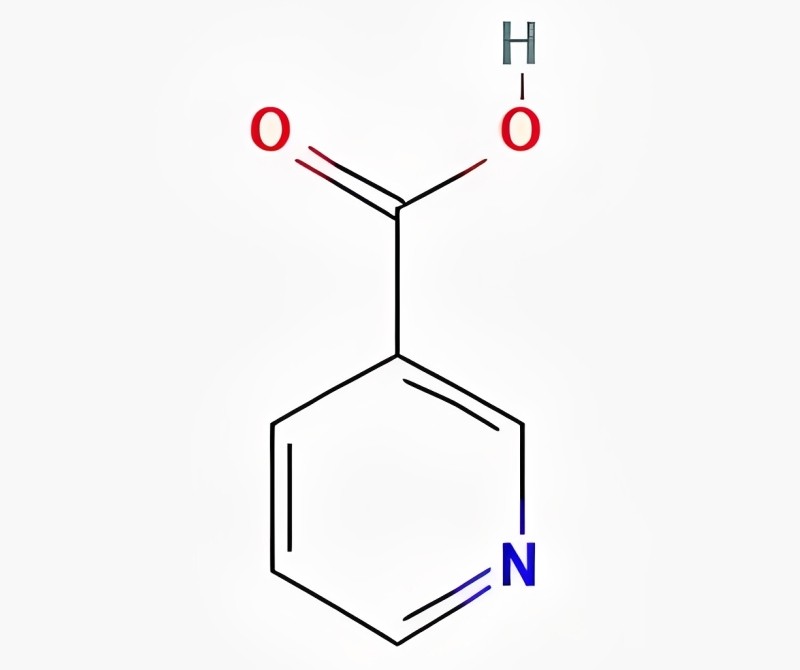
NA is the oldest form of vitamin B3.
In 1955, research found that consuming 3 grams daily could significantly lower cholesterol.
Can improve type 2 diabetes, obesity and arteriosclerosis;
In some disease models, it can significantly increase NAD+ levels and improve mitochondrial function.
Main limitation: High doses can cause an uncomfortable "flushing reaction" (skin heating and reddening), resulting in a poor experience.
2. Nicotinamide (NAM): A "Backdoor" Shortcut Precursor
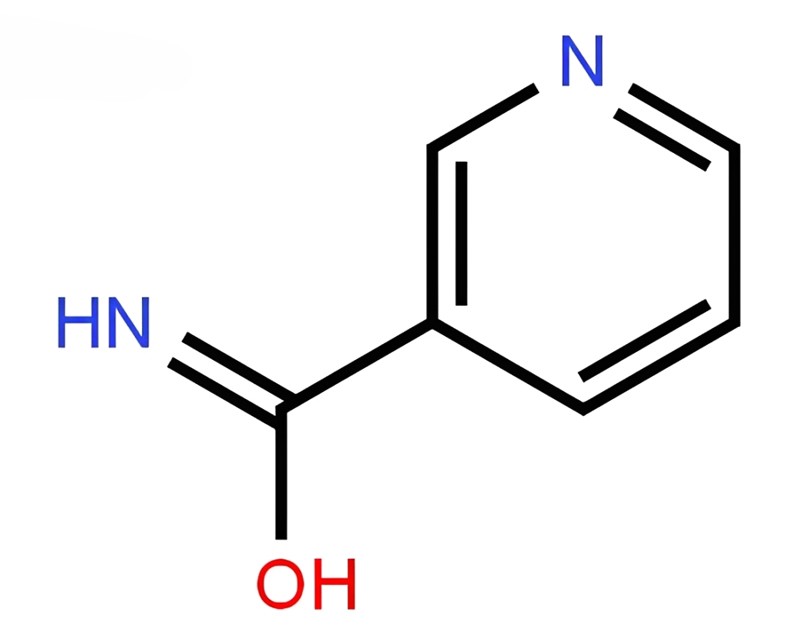
NAM generates NAD+ through the "recycling pathway".
It can increase the level of NAD+ in the brain and alleviate brain damage after a stroke.
Main limitation: The conversion rate is limited by the rate-limiting enzyme;
High doses may inhibit the activity of the longevity protein Sirtuins and even pose a risk of cytotoxicity.
3. Nicotinamide Riboside (NR): "Duality" of Star Precursor
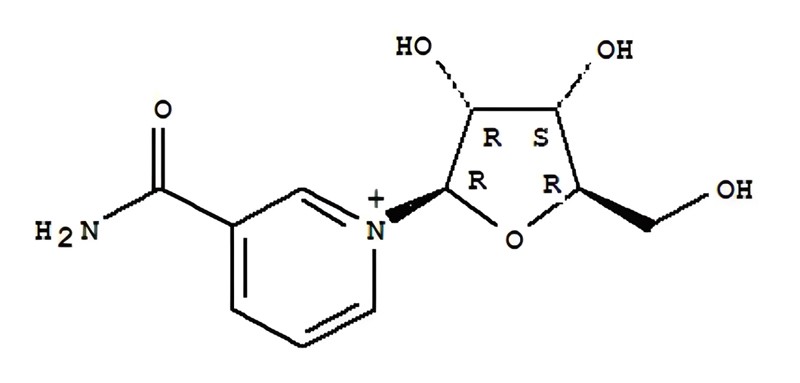
The NR molecule is small and, theoretically, it can quickly enter the cells.
Can enhance mitochondrial function and increase the activity of stem cells;
Animal experiments have shown that it can slow down the weight gain caused by a high-fat diet.
Main limitations: The content in natural foods is extremely low (difficult to obtain), and supplementation through supplements is necessary.
The conversion efficiency is highly dependent on the expression level of individual transport proteins and the state of the intestinal microenvironment.
The actual conversion efficiency is relatively low, and the effect varies from person to person.
4. Nicotinamide Mononucleotide (NMN): hottest topic with most "traffic"
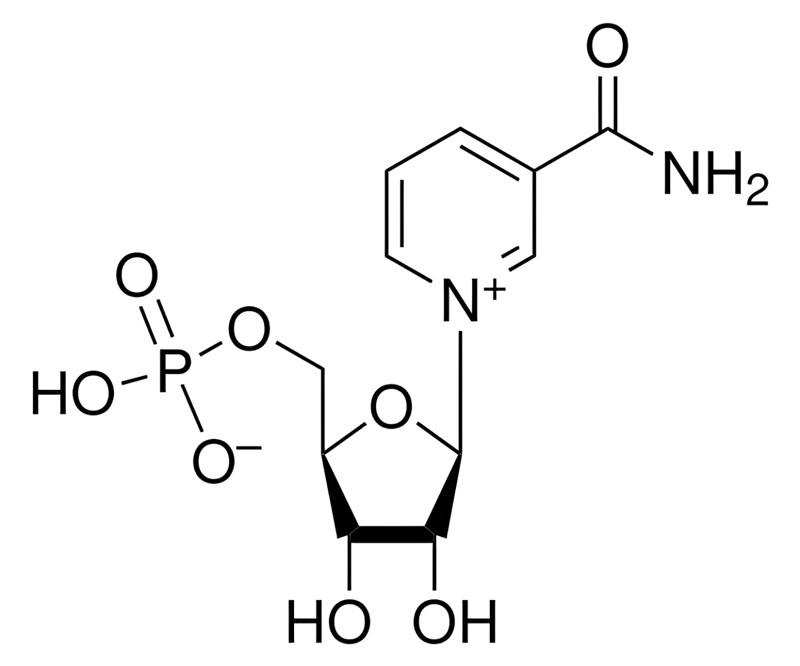
NMN is hailed as the "direct route" for NAD+.
A 2023 study shows that after oral administration, NMN enters the bloodstream within 2-3 minutes, increases in the blood within 15 minutes, and is converted into NAD+ within 30 minutes.
In 2025, human trials confirmed that a single dose of 500 milligrams is safe.
Subsequently, a series of studies have successively accumulated positive data in aspects such as cardiovascular protection and metabolic improvement.
Main limitation: A fast absorption rate does not necessarily mean high final utilization efficiency.
The metabolic pathway after entering the body is also regulated by the intestinal flora.
5. Dihydroriboflavin (NRH): "Potential Stock" on New Frontier
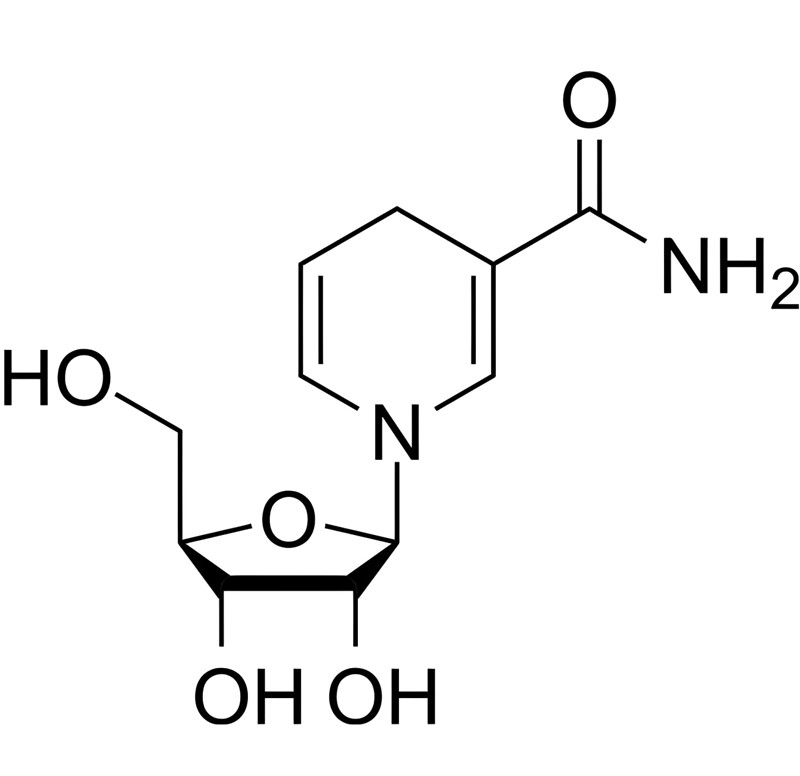
NRH is a new generation of NAD+ precursors that has attracted the attention of researchers in recent years.
It can increase the intracellular NAD+ level to a much greater extent than traditional precursors.
More importantly, it can bypass the limiting enzyme NAMPT and use a unique synthesis pathway, with strong anti-interference capabilities.
Main limitations: The research is relatively new and long-term human data is still insufficient;
The cost is high and the market penetration is low.
Five precursors, five entry pathways, and five potential metabolic fates.
But this is not the whole story.
Why is it that even when using the same precursor and administering the same dosage, the supplement effects can still vary greatly among different individuals?
When NAD+ family meets intestinal microbiota
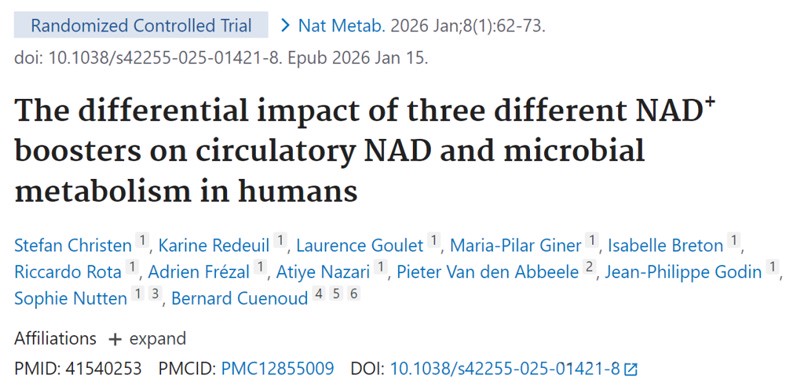
The core design of this article published by Professor Christen's team in Nature Metabolism lies in:
Three different NAD+ precursors were selected to simultaneously track their dual effects on the human circulating NAD+ levels and the metabolic changes of intestinal microorganisms - this is one of the most systematic comparative studies on the interaction between NAD+ precursors and intestinal microbiota to date.
Core conclusion: The composition of an individual's gut microbiota is the key variable that determines the efficacy of NAD+ precursors.
When the individual gut microbiota is in a relatively healthy and diverse state, NR and NMN can be relatively orderly converted into NAD+.
When the intestinal microbiota becomes imbalanced and certain specific pathogenic bacteria have a higher abundance, the situation is completely different.
These bacteria will retain and incorporate the NR, NMN, and even a portion of NRH that introduced, using them as their own metabolic substrates, converting them into nicotinic acid or other metabolic by-products unrelated to NAD+, rather than the target molecule NAD+.
The result is that the NAD+ precursors ingested orally may mainly metabolized and consumed by intestinal bacteria, while the organs and tissues that truly require NAD+ (such as the liver, brain, and muscles) are unable to obtain sufficient raw materials to synthesize NAD+.
An underestimated hidden risk: Microbial metabolites
This study also paid special attention to the changes in microbial metabolites. Different NAD+ precursors can induce the intestinal microbiota to produce completely different metabolic profiles.
For instance, some precursors can produce trimethylamine (TMA) in the intestines of some individuals.
TMA is then oxidized by the liver and further converted into oxidized trimethylamine (TMAO), and the increase in TMAO levels is associated with an elevated risk of atherosclerosis and cardiovascular diseases.
In contrast, some other precursors (such as NRH) exhibit more "clean" metabolic characteristics - they have a relatively lower tendency to induce the production of cardiovascular-related metabolic by-products.
This means that during the NAD+ supplementation process, the supplemented substance not only affects the nutritional status of the user itself, but also metabolized and utilized by the vast number of microorganisms in the intestinal tract.
If we disregard the condition of the intestines, it's possible that the money you spent mainly nourished the bacteria, thereby posing risks to your body.
three core concepts of NAD+ supplementation
The significance of this top-tier research lies not in denying the scientific basis of NAD+ precursors, but in providing more accurate decision-making grounds.
If you are considering increasing your NAD+ levels or are dissatisfied with the current solution, it is recommended to focus on the following three core concepts:
There are significant differences in the responses of different individuals to the same precursor.
Those with disrupted gut microbiota will have limited effect from blindly using NR or NMN.
Those who seek high efficiency may consider NRH, but no precursor can completely separated from the background of the microbial community.
The state of the intestinal microbiota is a fundamental variable for oral anti-aging interventions.
Without assessing the state of the intestines, nutritional supplementation lacks targetedness.
The future logic should be to adjust the environment first, and then select the antecedent.
The bioavailability is a more valuable indicator than a single absorption rate.
What truly determines the effect is the efficiency of the precursor converting into NAD+ within the cells and its impact on bodily indicators.
References
- [1] Chen Tao, Cao Hui, Dong Li, et al. Research Progress on the Effects of β-Nicotinamide Mononucleotide on Physiological Functions [J]. Food Science, 2023, 44 (09): 382-391.
- [2] Yu Tianhua, Shi Jianmin, Cao Qian. Research Progress of Nicotinamide Mononucleotide and Aging [J]. General Practice Clinical and Education, 2025, 23 (01): 64-67. DOI:10.13558/j.cnki.issn1672-3686.2025.001.018.
- [3] Christen S, Redeuil K, Goulet L, et al. The differential impact of three different NAD+ boosters on circulatory NAD and microbial metabolism in humans. Nat Metab. 2026;8(1):62-73. doi:10.1038/s42255-025-01421-8