
Whether it's the beauty supplements shown in TV commercials, the ingredient list of skin care products, or the core formula for whitening, you must have come across glutathione (GSH) at some point.
Glutathione is like the "chief cleaner" in our body, capable of detoxifying, antioxidizing and anti-aging.
From heavy metals hidden in seafood, to pesticide residues left on vegetables, to plastic toxins seeping into food from takeout boxes… All these "dirty substances" that we ingest and inhale every day are all cleaned up by it.
Attention please: Glutathione is a tripeptide composed of three amino acids - glutamic acid, cysteine and glycine. In simple terms, it is the "small molecule active peptide" produced by the body.
The liver is its main "production site", and its presence can be found in almost every cell of the body.
If we compare "detoxification" to a pyramid, then the substance at the very top of the pyramid is glutathione.
Glutathione can help facilitate the excretion of fat-soluble toxins from the body.
Since glutathione is so crucial, what would happen if we were to lack it?
When the level of glutathione in the body is low, toxins cannot be excreted from the body smoothly. They get trapped inside and then re-enter the bloodstream, continuing to circulate.
This is why many people experience inexplicable exhaustion, depleted energy, foggy thinking (brain fog), and frequent headaches - behind these symptoms, it is very likely that their glutathione levels are too low.
Glutathione is also involved in various biochemical reactions, including the transport of amino acids. It can also regulate immunity and promote nutrient absorption.
In simple terms, if you want to be healthy, you simply cannot do without glutathione!
benefits of glutathione for body
- Core detoxification: The core detoxifying substances synthesized by the liver convert lipid-soluble toxins into water-soluble ones, which are then excreted through urine or bile, preventing the toxins from remaining in the circulation.
- Antioxidation: The main antioxidant within cells, it eliminates free radicals, reduces oxidative damage, and maintains the cellular redox balance.
- Organ Protection: The focus is on protecting the liver, reducing the damage caused by alcohol, toxins, and drugs to liver cells; at the same time, protecting the cells of other vital organs throughout the body such as the heart, brain, and kidneys.
- Enhance Resistance: Maintain the activity of immune cells, enhance the body's inherent resistance, and reduce the risk of infection.
- Improve metabolism and reduce the accumulation of metabolic waste in the body, alleviating problems such as toxin accumulation, oxidative stress-induced fatigue, and metabolic slowdown.
In simple terms, it can be summarized as three main pillars: "antioxidation, detoxification, and immunity"!
Glutathione: Your body can't do without it
1. "Chief Cleaner" of Body: Antioxidants
Imagine that the body is like a 24-hour operating city, and during the metabolic process, "waste" - free radicals - are inevitably produced.
These unruly molecules will attack healthy cells, causing them to "rust", age, and even malfunction.
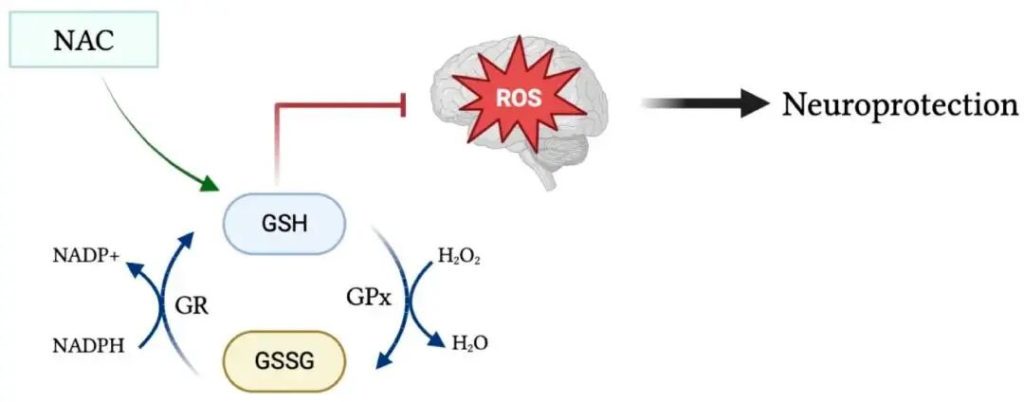
Glutathione is the city's powerful "cleanser".
It can directly neutralize free radicals and prevent them from attacking cells.
What's even more remarkable is that it can "revive" other antioxidants, such as vitamin C and vitamin E, and enable them to rejoin the "battle".
This effectively establishes a powerful antioxidant defense network, protecting our cell membranes, mitochondria (the energy factories of cells), and the most crucial genetic material - DNA - from damage.
This is the biological basis for anti-aging and delaying the decline of organ functions.
The whitening mechanism of glutathione is different from surface coverage.
Instead, it blocks the melanin synthesis pathway at the source, and simultaneously improves skin dullness through antioxidation, achieving natural and internalized luminosity.
This study, published in 2017 in "Clinical, Cosmetic and Investigational Dermatology", was a randomized, double-blind, placebo-controlled trial focusing on oral glutathione supplementation!
A total of 60 Asian women were recruited for this experiment and divided into three groups (glutathione group, GSSG group, and placebo group).
The intervention lasted for 12 weeks, and the levels of melanin, pigmentation spots, and liver and kidney functions were monitored.
The results showed that there was an overall trend towards whitening, and the two forms had similar effects.
For people over 40, taking glutathione orally and exposing the sun-exposed areas (face, arms) can significantly improve skin whitening.
It can simultaneously improve skin moisture content and reduce wrinkles;
Conclusion: Low-dose glutathione is suitable for middle-aged people to alleviate post-sunlight pigmentation, is safe, and also has anti-aging effects.
Two oral GSH trials conducted by Arjinpathana and Asawanonda among the Thai population, as well as the trial carried out by Handog et al. among Filipino women.
It involves administering 500 milligrams per day of GSH to the study population in two doses.
The difference lies in that in one study, chewable tablets were used to enhance the systemic absorption of glutathione.
The primary efficacy outcomes of the two trials were to assess the melanin index before and after the improvement.
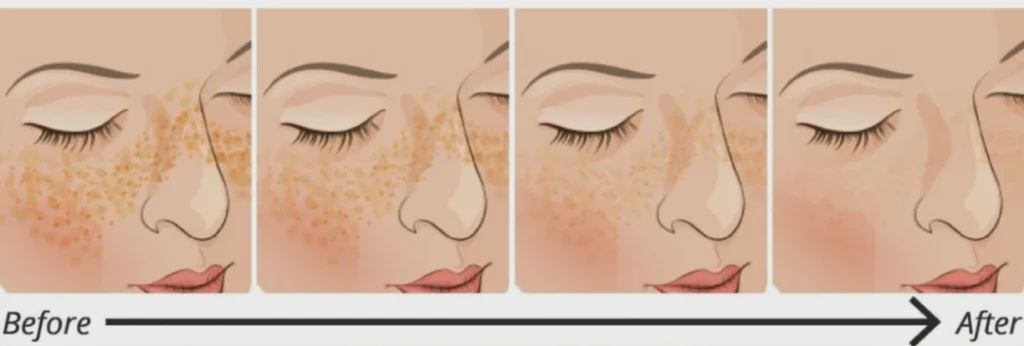
A randomized, double-blind, placebo-controlled study conducted by Arjinpathana and Asawanonda among 60 healthy medical students showed that the melanin index in all six evaluated areas of the subjects in the GSH group continued to decrease.
The open-label, single-arm trial study conducted by Handog et al.
Among 30 healthy Filipino women with Fitzpatrick IV or V skin types (aged 22 to 42 years), using GSH, it was reported that the melanin index in both exposed and protected areas significantly decreased for all subjects. Moreover, in the global assessment, 90% of the subjects observed moderate skin whitening.
What everyone is most concerned about is anti-aging, and this is precisely where glutathione excels.
Any place where free radicals are produced is likely to be the battlefield where they are armed and shining brightly.
Similarly, the deficiency of glutathione may lead to an excessive accumulation of free radicals, which can accelerate aging.
2. "detoxification expert" of liver
In modern life, we inevitably come into contact with various "toxins":
pollutants in the air, unhealthy food additives, drug metabolites, and even waste products produced by our own body's metabolism.
The liver is the "chemical factory" of our body, and glutathione is the most important detoxifying agent in this factory.
It can combine with heavy metals (such as lead and mercury), drug residues, environmental toxins, etc., converting them into water-soluble substances, and then excrete them out of the body through urine.
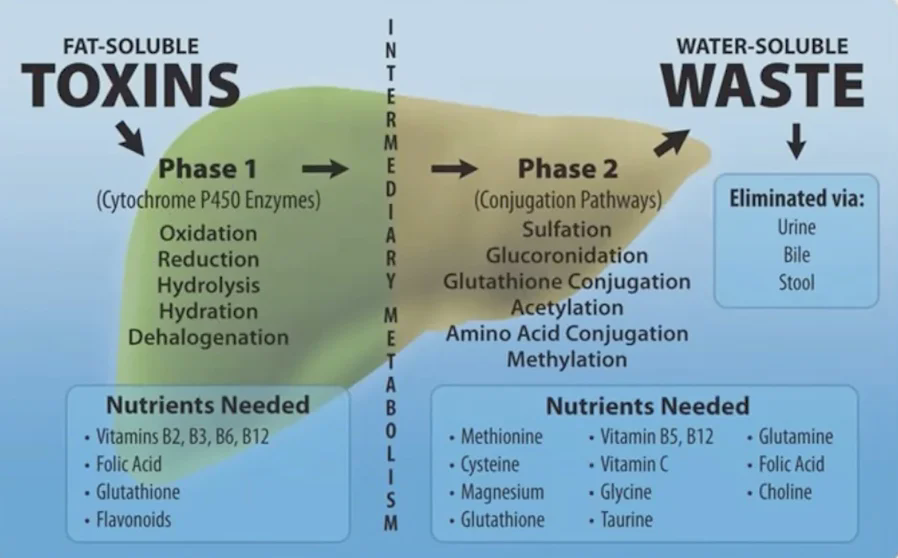
This process is called the "glutathione conjugation reaction" and it is one of the key steps in the liver's detoxification process.
When the level of glutathione is sufficient, the liver's detoxification ability will be greatly enhanced, and the body's detoxification burden will also be reduced.
This is also the reason why glutathione is often used as an adjunctive treatment for alcoholic liver damage and drug-induced liver damage.
A study published in the journal Redox Biology found that supplementing with glutathione can enhance the liver detoxification pathways in patients with chronic liver diseases and reduce oxidative damage.
Similarly, another study published in the "American Journal of Clinical Nutrition" indicates that consuming more foods rich in glutathione is associated with improved liver enzyme function and reduced levels of liver inflammation markers.
These findings emphasize the importance of maintaining adequate levels of glutathione for supporting liver detoxification and overall health.
In order to understand the actual effect of glutathione in metabolizing alcohol, the subjects were divided into three groups through experiments.
They were given a placebo, curcumin (30mg), and glutathione (100mg), and were instructed to consume alcohol (1.25ml per kilogram of body weight, equivalent to 1 cup of 200cc of Glenlivet, and alcohol tests and questionnaires were conducted at 20, 60, 120 and 180 minutes respectively).
The remarkable finding from the breath test results shows that the group taking glutathione (GSH) significantly reduced the alcohol measurement!
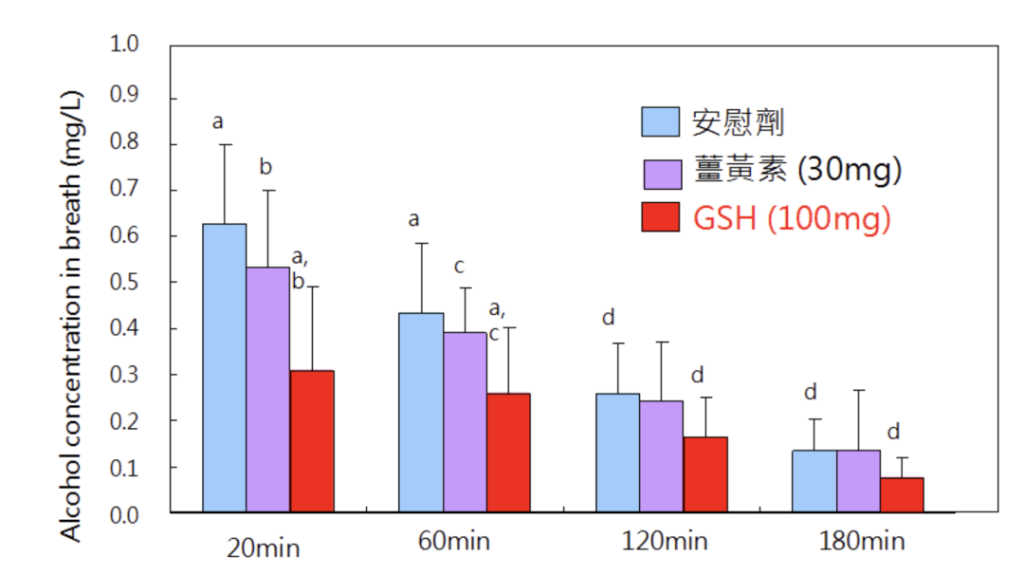
The questionnaire survey of the subjects revealed that glutathione was the most effective in alleviating the discomfort symptoms after drinking, including alertness, drowsiness, headache, stomachache, vomiting, and dizziness.
In another experiment, 100 men were recruited and divided into two groups, one receiving 1100mg of glutathione and the other a placebo.
The researchers then measured the alcohol concentration in the subjects' blood after they drank, the acetaldehyde concentration in their blood, and the symptoms of hangover.
It was found that the glutathione group significantly reduced the alcohol concentration in the blood and the acetaldehyde concentration in the blood.
Moreover, the concentration in the alcohol breath test was reduced by 50%. Symptoms of hangover such as nausea, vomiting, and headache were also significantly improved.
It has been confirmed that glutathione can reduce the absorption of alcohol, enhance alcohol metabolism, and prevent hangovers.
3. Immune "regulation"
The immune system is like a highly sophisticated army, requiring both strong combat capabilities and precise identification abilities to avoid "hurting" normal tissues and cells.
Glutathione plays the role of "commander" in this army.
- Promote the proliferation and differentiation of immune cells (such as lymphocytes);
- Enhance the activity of natural killer cells;
- Regulate the balance of inflammatory factors to prevent the immune system from "overreacting".
This regulatory function is of great significance.
When the level of glutathione is sufficient, the immune system can effectively eliminate pathogens without causing damage to its own tissues due to an excessive response.
This is crucial for maintaining the balance of the immune system and preventing autoimmune diseases.
Since glutathione is so powerful, why do we still need to worry?
Because modern people are at risk of "having their glutathione depleted".
When the body remains in the following states for a long time, glutathione will be consumed in large quantities, leading to the collapse of the antioxidant defense system:
- Environmental pollution: PM2.5, industrial waste gas.
- Unhealthy habits: smoking, excessive drinking, staying up late.
- Mental stress: Long-term anxiety and high-pressure situation.
- Diseases and aging: Infections, diabetes, and the natural aging process all reduce the level of GSH in the body.
Secondly, there are these groups of people: middle-aged and older people individuals (over 50 years old).
As people age, the body's ability to synthesize glutathione naturally declines, and oxidative stress accumulates.
Those who have been exposed to environmental pollution for a long time (such as those who are occupationally exposed to chemicals, heavy metals, or those living in areas with severe air pollution) will have their glutathione depleted to a large extent by environmental toxins.
Long-term smokers or heavy drinkers will consume a large amount of glutathione, thereby exacerbating oxidative damage.
Those who have endured long-term high mental stress and lack sufficient sleep will experience an increase in oxidative stress and a decrease in glutathione levels due to chronic stress, anxiety and insomnia.
Those who suffer from malnutrition or have an unbalanced diet, lacking high-quality proteins, sulfur-containing amino acids, vitamin C, selenium and other raw materials for synthesis, will have their glutathione synthesis affected.
High-intensity physical workers produce a large amount of free radicals during intense exercise, and thus require more glutathione to combat exercise-induced oxidative stress.
How to supplement glutathione?
The body cannot store large amounts of glutathione, so there needs to be a continuous replenishment every day.
Currently, there is no global unified daily recommended intake (RDA), but a large number of clinical studies have established a consensus range of 250 - 1000 mg per day that is considered safe and effective.
So how can we get this amount from the food?
1. Through food supplementation
In fact, there are quite a few "glutathione supply stations" in our daily diet.
For instance, broccoli contains approximately 15-20 milligrams of glutathione per 100 grams.
If you consume 200 grams of broccoli every day and combine it with 100 grams of asparagus (which contains about 10-15 milligrams per 100 grams), these two vegetables together can provide around 50 milligrams.
Avocado is the "top student". Every 100 grams contains 10 to 15 milligrams.
If you eat half an avocado every day and pair it with a handful of grapes (especially those with skins, about 5 to 8 milligrams per 100 grams), you can add another 10 to 15 milligrams.
In addition, with the "boost" from high-protein foods, such as eating one egg (providing raw materials like cysteine) every day, 100 grams of chicken breast or salmon, it can help the body synthesize glutathione more efficiently.
So, if you plan a well-balanced three-course meal with plenty of vegetables, fruits, and high-quality proteins, it's not difficult to reach or even exceed 100 milligrams.
However, it should be noted that glutathione is sensitive to heat. For vegetables, it is best to blanch them in boiling water for 1 to 2 minutes and then remove them and mix them with salad, or quickly stir-fry them over high heat.
Avoid long-term stewing as it will significantly reduce their activity.
If it is really difficult to meet the dietary requirements, or if one frequently stays up late, is under a lot of stress, or is exposed to polluted environments, their body consumes glutathione at a faster rate.
In such cases, it is advisable to consider using nutritional supplements.
2. Choose supplements for supplementation
If you want to supplement with glutathione, it is more recommended to choose liposomal glutathione (liquid form).
It is particularly suitable for people with suboptimal diet, those who stay up late / are under high stress, and those exposed to pollution - these groups have a rapid consumption of glutathione and therefore require higher absorption efficiency and bioavailability of supplements.
The research findings show that the liquid form of liposomal glutathione is highly dispersed at the molecular level.
Once it enters the intestinal tract, it can be rapidly absorbed, and within 1 to 2 weeks, it can significantly increase the level of glutathione in the body, quickly filling the gap in glutathione consumption caused by lack of sleep, stress, and pollution.
The release data reveal the exact amount of glutathione or glutathione encapsulated in liposomes that can be successfully absorbed by the body after passing through the acidic environment of the stomach.
Furthermore, the research has found that when glutathione is supplemented together with white tomatoes, it can stimulate the expression of glutathione reductase (GR), converting oxidized glutathione (GSSG) into reduced glutathione (GSH), thereby increasing the level of reduced glutathione (GSH) in the body.
This helps to improve skin condition and whiten the skin.
Step 1: Source Defense
Depending on the wavelength range, the light will reach different parts of the skin.
UVA (320–400 nm) can penetrate into the dermis, while UVB (280–320 nm) mainly reaches the skin.
Excessive UVB exposure can lead to erythema (also known as sunburn).
White tomatoes contain abundant six-hydroxy lycopene and eight-hydroxy lycopene (more than 8mg/g) of lycopene (SD), and these six-hydroxy and eight-hydroxy lycopene are rare carotenoids.
Hexacyclic lycopene and octacyclic lycopene can respectively absorb ultraviolet A and UVB rays.
It can absorb ultraviolet rays and provide a protective umbrella for the skin against ultraviolet rays.
Step 2: Remove stains and brighten skin
Glutathione has a powerful antioxidant property that inhibits melanin production. It is the most common "all-over skin brightener".
Reconstituted white tomatoes can achieve this effect by stimulating the expression of glutathione synthase (GR), converting oxidized glutathione (GSSG) into reduced glutathione (GSH), thereby increasing the level of reduced glutathione (GSH) in the body.
This helps to improve skin condition and achieve a whitening effect on the skin receptors.
If you want to boost your antioxidant levels, eliminate metabolic waste from your body, or if you suffer from poor sleep, high stress, frequent consumption of takeout food, or any other issues that affect your physical condition, as well as if you want to protect your liver, improve skin dullness, or have a desire for skin whitening, you can choose this combination for supplementation.
Literature materials
- [1]Glutathione and its antiaging and antimelanogenic effects[J]. Clinical, Cosmetic and Investigational Dermatology,2017. https://pmc.ncbi.nlm.nih.gov/articles/PMC5413479/pdf/ccid-10-147.pdf
- [2]Oral supplementation with liposomal glutathione elevates body stores of glutathione and markers of immune function[J]. European Journal of Clinical Nutrition,2018. https://pmc.ncbi.nlm.nih.gov/articles/PMC6389332/pdf/nihms-1008081.pdf
- [3]Clinical Study on the Synergistic Whitening Effect of White Tomato Extract and Glutathione [J/OL]. China Daily Online, 2024. https://cn.chinadaily.com.cn/a/202404/22/WS6626013ea3109f7860dda680.html
- [4]Glutathione: A Samsonian life-sustaining small molecule that protects against oxidative stress, ageing and damaging inflammation[J]. Antioxidants,2022. https://pmc.ncbi.nlm.nih.gov/articles/PMC9664149/
- [5]Combination of topical and oral glutathione as a skin-whitening agent: a double-blind randomized controlled clinical trial[J]. Journal of Cosmetic Dermatology,2021. https://pubmed.ncbi.nlm.nih.gov/33871071/