
Glutathione, this "treasure", plays such an important role in human health!
Glutathione is an important antioxidant and detoxifying substance in the human body, composed of three amino acids: glutamic acid, cysteine and glycine. It is widely present in cells.
Strong antioxidant effect
Neutralizing free radicals:
Glutathione can directly eliminate free radicals, reduce oxidative stress-induced damage to cells, delay aging, and protect the skin, organs and tissues.
Regenerate other antioxidants:
It can help regenerate antioxidants such as vitamin C and vitamin E, and enhance the overall antioxidant defense system.
Detoxification and liver protection effects
Combining toxins:
Glutathione in the liver binds to toxins (such as heavy metals, drug metabolites, and chemicals), converting them into water-soluble substances that are easier to be excreted from the body.
Protect liver cells:
Reduce the damage caused by alcohol, drugs or viruses to the liver. In clinical applications, it is used as an auxiliary treatment for diseases such as fatty liver and hepatitis.
Enhance immune function
Support lymphocyte function:
Glutathione can promote the proliferation and activity of immune cells, helping the body fight against infections and diseases.
Regulate the inflammatory response:
Reducing excessive inflammatory responses is beneficial for chronic inflammatory diseases (such as arthritis, autoimmune diseases).
Promote energy metabolism and anti-fatigue effect
Maintaining mitochondrial function:
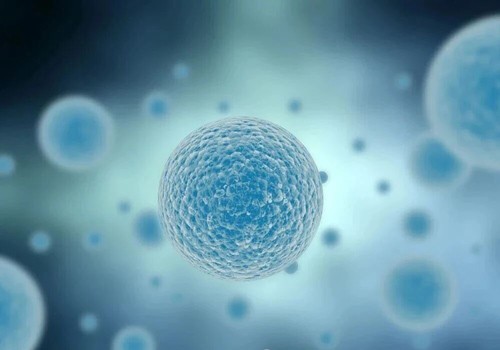
Protect the cell's energy factory (mitochondria) from oxidative damage, enhance energy production efficiency, and alleviate fatigue.
Improving athletic performance:
Some studies have shown that supplementing with glutathione can reduce muscle damage and oxidative stress after exercise.
Skin health and whitening effect
Inhibit melanin production:
Glutathione can interfere with the activity of tyrosinase, reducing the synthesis of melanin.
It is commonly used to improve skin pigmentation, melasma or to whiten the skin.
Reduce skin oxidative damage:
Protect the skin from the damage caused by external factors such as ultraviolet rays and pollution, and delay skin aging.
Supporting health of nervous system
Protecting brain cells:
Glutathione can cross the blood-brain barrier and reduce oxidative stress in the brain, which may have a protective effect on neurodegenerative diseases (such as Alzheimer's disease and Parkinson's disease).
Improving neuroinflammation:
Regulate the inflammatory response in the brain and support cognitive function.
Support for chronic disease management
Improving insulin sensitivity:
Studies have shown that glutathione levels are associated with diabetes and may help improve blood sugar control.
Protecting the cardiovascular system:
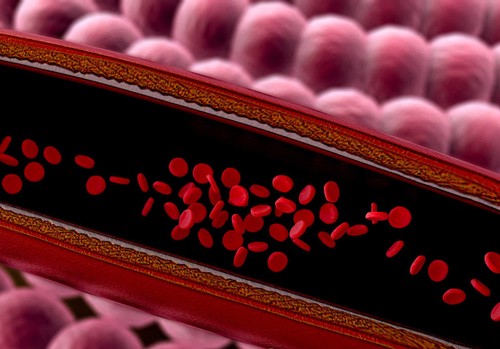
Reduce the oxidation of low-density lipoprotein (LDL) and prevent atherosclerosis.