
Whether it's the anti-aging supplements shown in TV commercials, the ingredient list of skin care products, or even the core formula of the whitening injections, you must have seen the presence of glutathione.
Glutathione single-handedly earns labels such as detoxification, antioxidant, and anti-aging, making it a sought-after product in the fields of skincare and internal health care! So why is glutathione so powerful?
Glutathione is called the "cleaning chief" of the body because it possesses three crucial physiological functions:
"main force" of antioxidant protection
The body generates a large number of free radicals under conditions such as metabolism, sun exposure, and stress.
These "destructive molecules" accelerate the aging process of cells.
Glutathione can directly neutralize free radicals and provide comprehensive protection for cells. It is one of the core forces of the antioxidant system.
"detoxification expert" of liver
As the detoxification center of the human body, the liver highly relies on glutathione.
Glutathione can combine with harmful substances such as drug residues and heavy metals, converting them into a form that is easy to excrete.
This effectively reduces the burden on the liver and can be regarded as an "intelligent purifier".
A study published in the journal "Redox Biology" found that supplementing with glutathione can enhance the liver detoxification pathways in patients with chronic liver diseases and reduce oxidative damage.
Another study published in The American Journal of Clinical Nutrition found that consuming more foods rich in glutathione is associated with improved liver enzyme function and reduced levels of liver inflammation markers.
These findings emphasize the importance of maintaining adequate levels of glutathione for supporting liver detoxification and overall health.
Skin "Brightening Engine"
The whitening mechanism of glutathione is different from surface coverage.
Instead, it blocks the melanin synthesis pathway at the source, and simultaneously improves skin dullness through antioxidation, achieving natural and internalized luminosity.
The 2017 study published in "Clinical, Cosmetic and Investigational Dermatology" was a randomized, double-blind, placebo-controlled trial focusing on oral glutathione supplementation!
A total of 60 Asian women were recruited and divided into three groups (GSH group, GSSG group, and placebo group).
The intervention lasted for 12 weeks, and the monitoring included melanin, pigmentation, and liver and kidney functions.
It was found that:
The overall trend is towards whiteness, and the two forms have similar effects.
For people over 40, taking GSH orally and exposing the sun-exposed areas (face, arms) can significantly improve skin whitening.
It can simultaneously improve skin moisture content and reduce wrinkles;
Conclusion: Low-dose glutathione is suitable for middle-aged people to alleviate post-sunlight pigmentation, is safe, and also has anti-aging effects.
Two oral GSH trials conducted by Arjinpathana and Asawanonda among the Thai population, as well as the trial carried out by Handog et al. among Filipino women.
It involves administering 500 milligrams per day of GSH to the study population in two doses.
The difference lies in that in one study, chewable tablets were used to enhance the systemic absorption of glutathione.
The primary efficacy outcomes of the two trials were to assess the melanin index before and after the improvement.
To be alive and breathe, one needs glutathione
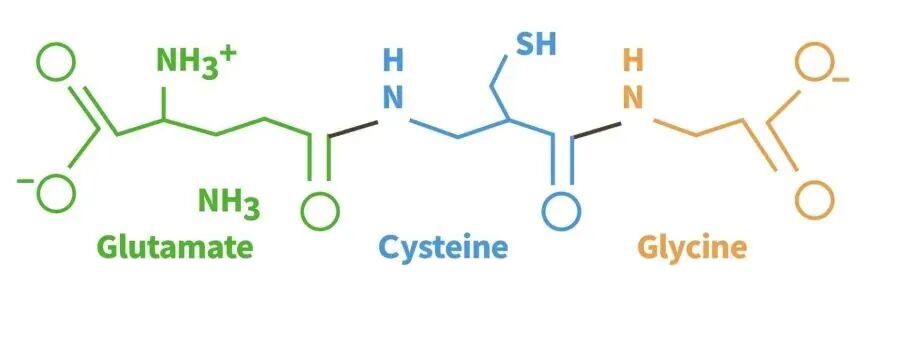
Glutathione is a tripeptide composed of glutamic acid, cysteine and glycine. It is present in extremely high concentrations in every cell of our body, especially in liver cells.
It is the most abundant non-protein sulfhydryl compound within cells and is referred to as "the main intracellular antioxidant".
Glutathione (GSH) is rich in active sulfhydryl groups (-SH). It generously donates its electrons to free radicals, making them stable and harmless, thereby terminating the oxidative chain reaction.
Compared to other antioxidants (such as vitamin C and vitamin E), glutathione can protect cells both inside and outside, and it also functions in the blood and extracellular fluid, covering a very wide range.
Glutathione has a strong penetrating power. It is one of the few antioxidants that can enter the cell nucleus and mitochondria, and it can directly protect DNA and the "power plant" of cells.
Glutathione not only acts as an antioxidant, but also is the core component of the liver's detoxification system.
Many drugs, toxins, and heavy metals (such as lead and mercury) need to combine with glutathione before they can be excreted from the body.
Why worry about it when glutathione is so powerful?
Because modern people are at risk of "having their glutathione depleted".
When the body remains in the following states for a long time, glutathione will be consumed in large quantities, leading to the collapse of the antioxidant defense system:
- Environmental pollution: PM2.5, industrial waste gas.
- Unhealthy habits: smoking, excessive drinking, staying up late.
- Mental stress: Long-term anxiety and high-pressure situation.
- Diseases and aging: Infections, diabetes, and the natural aging process all reduce the level of GSH in the body.
Consequence: Once GSH levels are insufficient, free radicals will proliferate, leading to cellular aging, dull skin, weakened immunity, and increased burden on the liver.
These people need to supplement glutathione
1. People with liver problems
(Chronic hepatitis, fatty liver, alcoholic liver disease, drug-induced liver injury, etc.), glutathione is the core substance for liver detoxification.
The levels of this substance are generally low in these individuals.
In order to understand the actual effect of glutathione in metabolizing alcohol, the subjects were divided into three groups through experiments.
They were given a placebo, curcumin (30mg), and glutathione (100mg), and were instructed to consume alcohol (1.25ml per kilogram of body weight, equivalent to 1 cup of 200cc of Glenlivet, and the alcohol consumption was measured by breath test and questionnaire at 20, 60, 120 and 180 minutes respectively).
The remarkable finding from the breath test results shows that the group taking glutathione (GSH) significantly reduced the alcohol measurement!
The questionnaire survey of the subjects revealed that glutathione was the most effective in alleviating the discomfort symptoms after drinking, including alertness, drowsiness, headache, stomachache, vomiting, and dizziness.
In another experiment, 100 men were recruited and divided into two groups, one receiving 1100mg of glutathione and the other a placebo.
The researchers then measured the alcohol concentration in the subjects' blood after they consumed alcohol, the acetaldehyde concentration in the blood, and the symptoms of hangover.
It was found that the glutathione group significantly reduced the alcohol concentration in the blood and the acetaldehyde concentration in the blood.
the concentration in the alcohol breath test was reduced by 50%. Symptoms of hangover such as nausea, vomiting, and headache were also significantly improved.
It has been confirmed that glutathione can reduce the absorption of alcohol, enhance alcohol metabolism, and prevent hangovers.
2. People with chronic inflammation or autoimmune disorders
(For instance, rheumatoid arthritis, inflammatory bowel disease, etc.), a prolonged inflammatory state will consume a large amount of glutathione, leading to a decline in antioxidant capacity.
3. Population with Metabolic Syndrome
(For patients with type 2 diabetes, obesity, and high blood lipid levels), oxidative stress is an important pathological basis for metabolic diseases, and the level of glutathione is usually low.
4. People with neurological disorders
(For instance, neurodegenerative diseases such as Parkinson's disease and Alzheimer's disease), these diseases are closely related to oxidative stress, and the level of glutathione in the brain is significantly reduced.
Secondly, there are these groups of people:
For middle-aged and older people (over 50 years old), as they age, the body's ability to synthesize glutathione naturally decreases, and oxidative stress accumulates.
Long-term smokers or heavy drinkers will consume a large amount of glutathione, thereby exacerbating oxidative damage.
Those who have been exposed to environmental pollution for a long time (such as those who are occupationally exposed to chemicals, heavy metals, or those living in areas with severe air pollution) will have their glutathione depleted to a large extent by environmental toxins.
Those who have endured long-term high mental stress and lack sufficient sleep will experience an increase in oxidative stress and a decrease in glutathione levels due to chronic stress, anxiety and insomnia.
Those who suffer from malnutrition or have an unbalanced diet, lacking high-quality proteins, sulfur-containing amino acids, vitamin C, selenium and other raw materials for synthesis, will have their glutathione synthesis affected.
High-intensity physical workers produce a large amount of free radicals during intense exercise, and thus require more glutathione to combat exercise-induced oxidative stress.
How to correctly supplement glutathione?
1. Nutritional therapy: Promotes body's own synthesis
The core of dietary supplementation is not to directly consume glutathione (which is present in limited amounts in food and has a low absorption rate), but to provide the raw materials and auxiliary nutrients needed for the body to efficiently synthesize glutathione.
Food containing key amino acids
Glutathione is synthesized from three amino acids: glutamic acid, cysteine, and glycine. Among them, cysteine is the limiting factor (the most easily deficient raw material):
High-quality protein sources, such as eggs, fish, lean meat, soy products, and dairy products. They provide all the essential amino acids required for synthesis, especially cysteine.
Sulfur-containing foods, such as garlic, onions, leeks, and scallions, are rich in sulfides, which promote the production of cysteine.
Cruciferous vegetables, such as broccoli, kale, cabbage, and cauliflower, contain active substances like sulforaphane, which activate the Nrf2 pathway and promote the expression of glutathione synthase.
Cooking method: For cruciferous vegetables, it is recommended to steam or quickly sauté (avoid long-term boiling in water). After chopping the garlic, let it stand for 10 minutes before cooking to activate the active ingredients.
Combination principle: Ensure a daily intake of 1 portion of high-quality protein + 2 portions of dark-colored vegetables + a small amount of nuts.
Notes: The content of glutathione in food is limited. Dietary supplementation mainly serves as a "supportive" function. For those who have already shown symptoms of deficiency or for specific groups, it may be necessary to choose the form of nutritional supplements for additional supplementation.
2. Nutritional supplements: It is recommended to choose liposomes
Why choose the liposomal form of glutathione supplement instead of the regular one? Can the regular form really provide adequate supplementation?
The answer is clear - liposomal glutathione.
The key lies in the encapsulation technology, which solves many problems of the regular version. Don't believe it? Keep reading!
(1) absorption efficiency is poor. Isn't it a waste of money to consume it?
When ordinary glutathione enters the stomach, after being attacked by stomach acid and digestive enzymes, how much of its activity can still remain?
Through the transportation system, how much can be absorbed and then enter the bloodstream?
However, liposomes are different. They are encapsulated by a phospholipid bilayer and resemble the cell membrane. They are directly "swallowed" by the cells!
The bioavailability has increased by 13 times. Everything you eat can be utilized. Isn't this better than the regular version?
To verify this effect, the researchers conducted an experiment:
Using "BSO" (a substance that can deplete the GSH in cells), deplete the glutathione in human kidney epithelial cells, and then add "regular glutathione" and "liposome glutathione" to the cells respectively, to see which one can replenish it faster.
result is quite clear:
Liposomal glutathione can significantly increase the level of GSH in cells within one hour, and the effect is much better than that of ordinary GSH within two hours (statistically significant, p < 0.05).
From the perspective of "time to reach peak (Tmax)" and "peak concentration (Cmax)":
Liposomal glutathione reaches its peak concentration within 1 hour, while regular GSH takes 3 hours to do so.
Moreover, the total amount of glutathione in the cells (AUC, the area under the curve) was also higher, indicating that "it was replenished quickly and in large quantities".
The research has found that liposomal glutathione can directly and rapidly replenish glutathione in cells, with much higher absorption efficiency compared to regular GSH.
Through human experiments, it was found that (12 healthy individuals, divided into two groups with 6 people in each group, each taking 1 gram of the supplement) the concentration in the blood:
The maximum concentration (Cmax) of the liposome formulation in the blood is approximately 1800 ng/mL, which is 6 times that of the regular formulation (about 300 ng/mL).
Duration: The concentration of the liposome version remains above 500 ng/mL in the blood 24 hours after administration. For the regular version, it drops to close to the baseline level (less than 100 ng/mL) after 6 hours.
Absorption characteristics: The liposome version has "two absorption peaks" (once every 2 hours, and another once every 8-12 hours), which can continuously supply energy to the body; the regular version only has a brief peak once and then disappears quickly.
(2) Can body's metabolic system handle it?
Liposomes are not needed. The glutathione encapsulated by the phospholipid bilayer of liposomes can prevent gastric acid, digestive enzymes and intestinal flora from coming into contact with it.
This avoids the rapid release and degradation of glutathione in the stomach, thereby reducing direct irritation to the gastrointestinal mucosa.
In a randomized, open-label trial, 20 healthy adults aged 50 to 80 years (n=20) were orally administered 500mg or 1000mg of liposomal glutathione daily for one month, and their blood GSH levels and adverse reactions were monitored.
The results showed that there were no severe gastrointestinal adverse reactions in either group.
Only one case of mild stomach discomfort occurred, which lasted for a short period and resolved on its own.
The incidence rate was 5%, much lower than that of ordinary glutathione (approximately 8%).
Literature materials
- [1]Skin-whitening and skin-condition-improving effects of topical oxidize | CCID#r_ref9
- [2]The ketogenic diet increases mitochondrial glutathione levels - PubMed
- [3]egeneration, and Systemic Availability: Evidence from Cellular and Human Models. British Journal of Nutrition. 2026;1-24. doi:10.1017/S0007114526000026.
- [4]LAPENNA D. Glutathione and glutathione-dependent enzymes: From biochemistry to gerontology and successful aging [J]. Ageing Research Reviews, 2023, 92: 102066.
- [5] Cai Youhua, Wu Zihao, Huang Xiaochen, et al. Research Progress on the Properties, Industrial Production, and Application in the Big Health Industry of Reduced Glutathione [J]. Food and Machinery, 2022, 38(11): 1-10.
- [6]Atkuri K R, Mantovani J J, Herzenberg L A, et al. N-Acetylcysteine—a safe antidote for cysteine/glutathione deficiency[J]. Current opinion in pharmacology, 2007, 7(4): 355-359.
- [7]Schmitt B, Vicenzi M, Garrel C, et al. Effects of N-acetylcysteine, oral glutathione (GSH) and a novel sublingual form of GSH on oxidative stress markers: A comparative crossover study[J]. Redox Biology, 2015, 6: 198-205.